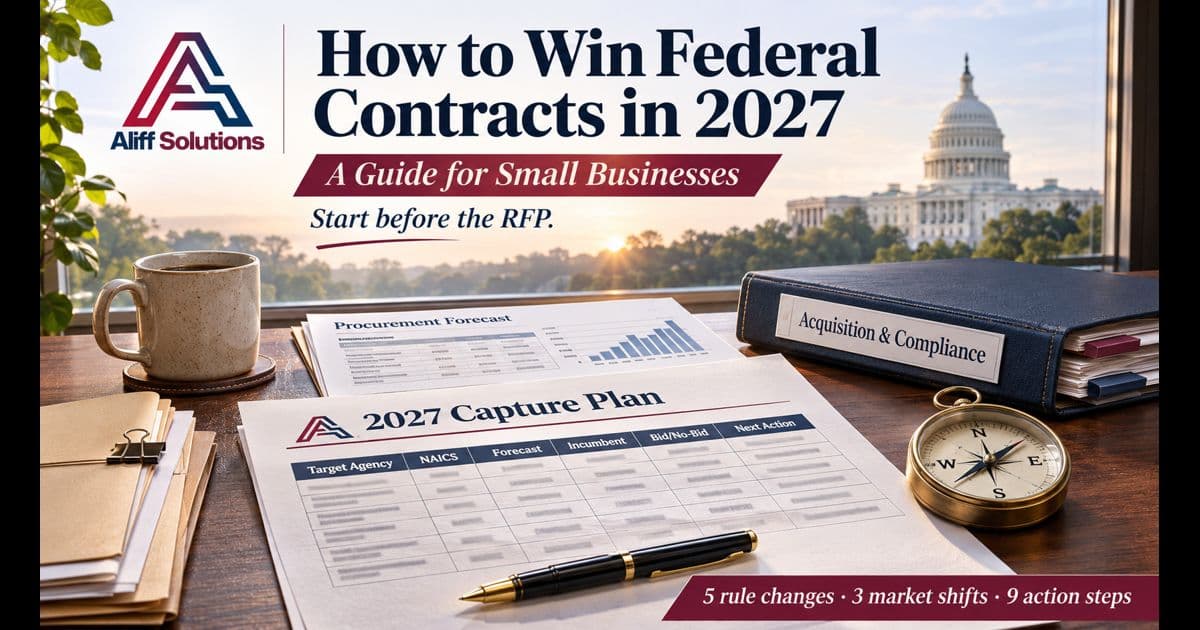
How to Win Federal Contracts in 2027: A Guide for Small Businesses
Many small businesses that lose a federal contract lose it before the solicitation is posted. Here is what changed in the rules for 2027, and a nine-step plan to win before the RFP.

Co-Founder and VP, Client Relationships, Aliff Solutions
17+ years experience
Co-founder of Aliff Solutions. Sumera Khan is Vice President of Client Relationships at Aliff Solutions, where she leads client engagement, onboarding, and account management across the firm's GovCon advisory portfolio. With 17 years of experience in international banking, government finance, and procurement, Sumera brings a unique perspective that bridges the financial analysis side of federal contracting (pricing, wrap rates, cost-volume strategy) with the operational realities of running multi-agency programs.
Her background in international banking informs Aliff's approach to financial modeling and pricing — particularly for firms transitioning from commercial work into federal contracting where indirect cost rate structures, DCAA compliance, and wrap rate optimization are unfamiliar territory.
Sumera leads the onboarding process for new Aliff clients, ensuring engagement scope, deliverables, and success metrics are clearly defined before work begins. She also manages ongoing client relationships and serves as the executive sponsor for strategic accounts.

Many small businesses that lose a federal contract lose it before the solicitation is posted. Here is what changed in the rules for 2027, and a nine-step plan to win before the RFP.

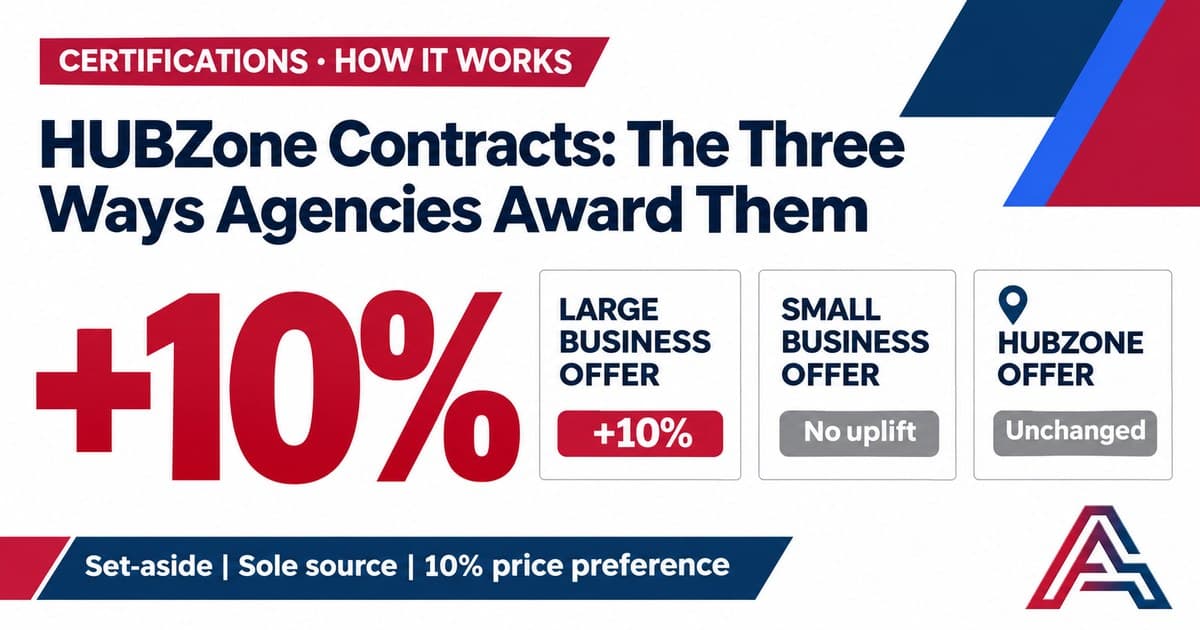
HUBZone contracts reach you by three routes: a set-aside, a sole source award, and a 10% price preference in full and open competition. Here is the order a contracting officer follows, the sole source limits, and why the price preference does nothing against other small businesses.

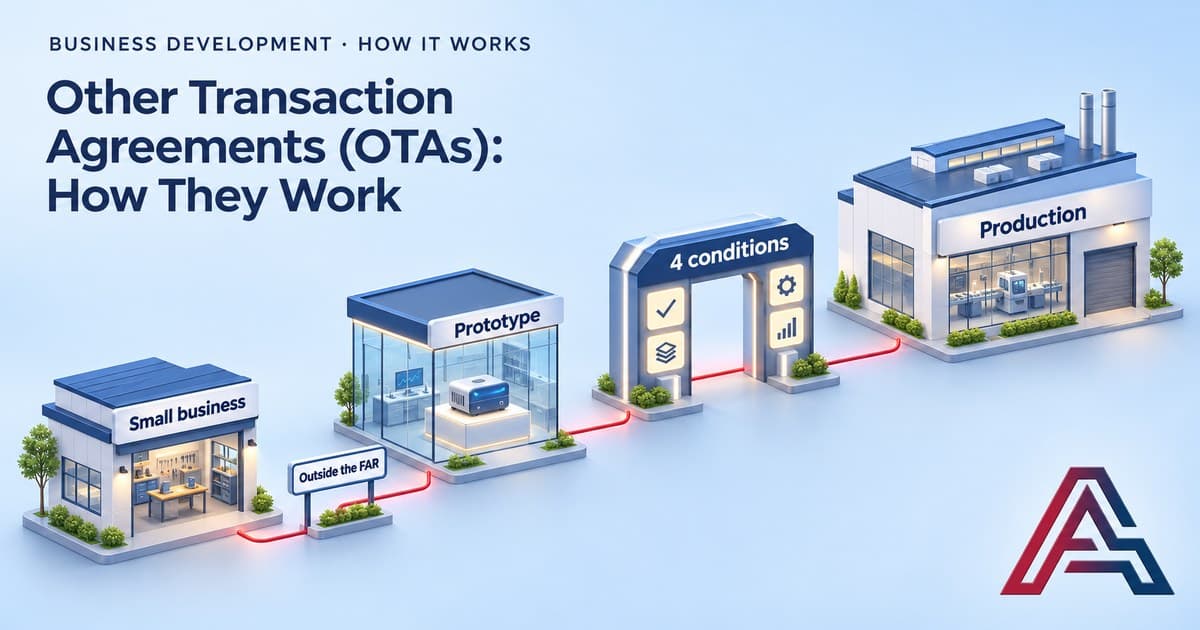
Other transaction agreements let the Department of Defense buy prototypes outside the FAR, and the statute is written to pull in companies new to defense work. Here is how the four conditions, the approval tiers and the follow-on production route work.

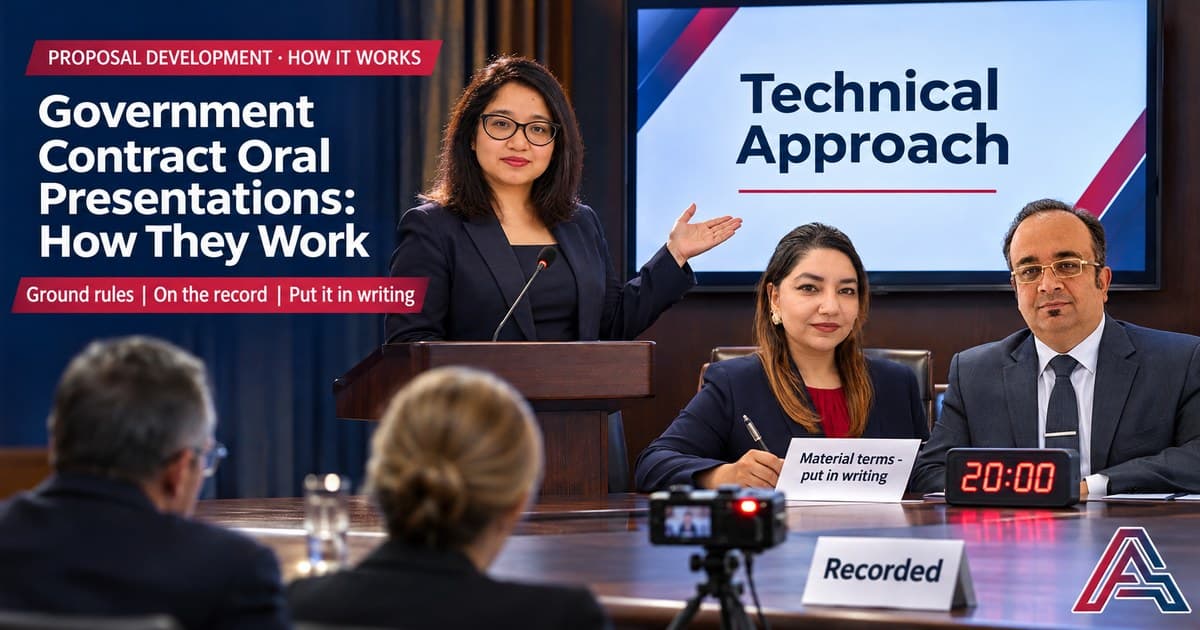
Oral presentations let you present part of your bid live to the evaluators. Here is what the solicitation tells you in advance, what gets recorded, and why anything you promise must still be written down.

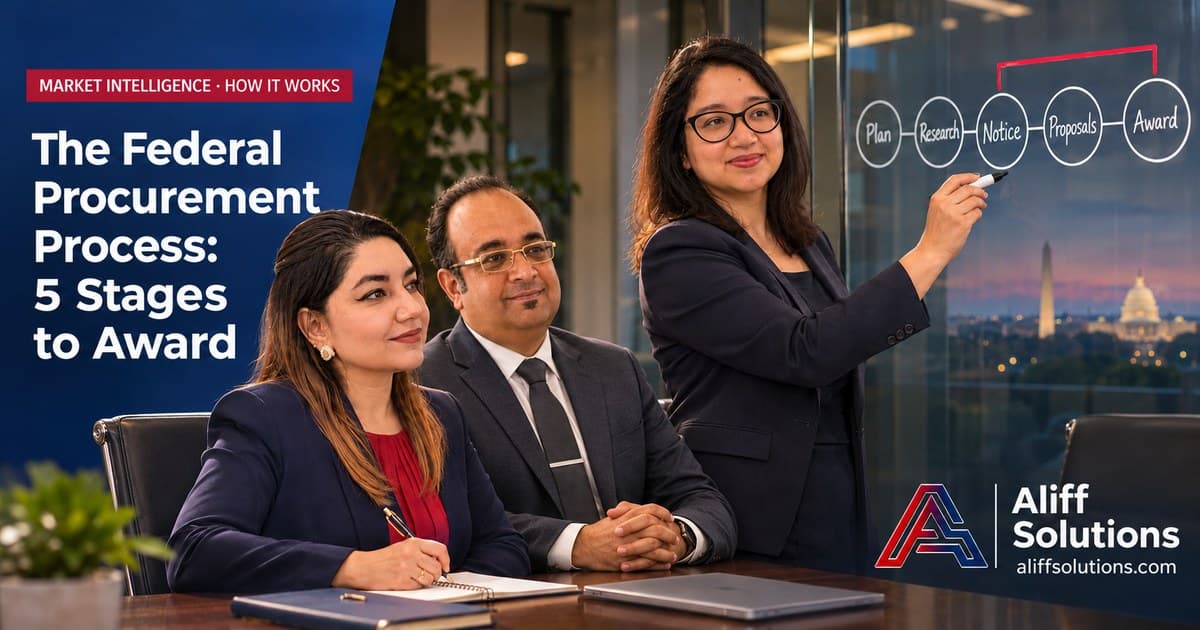
Every federal contract runs through five stages, from an agency's need to award, and most of them happen before a solicitation is public. Here is what happens at each stage and when to act.

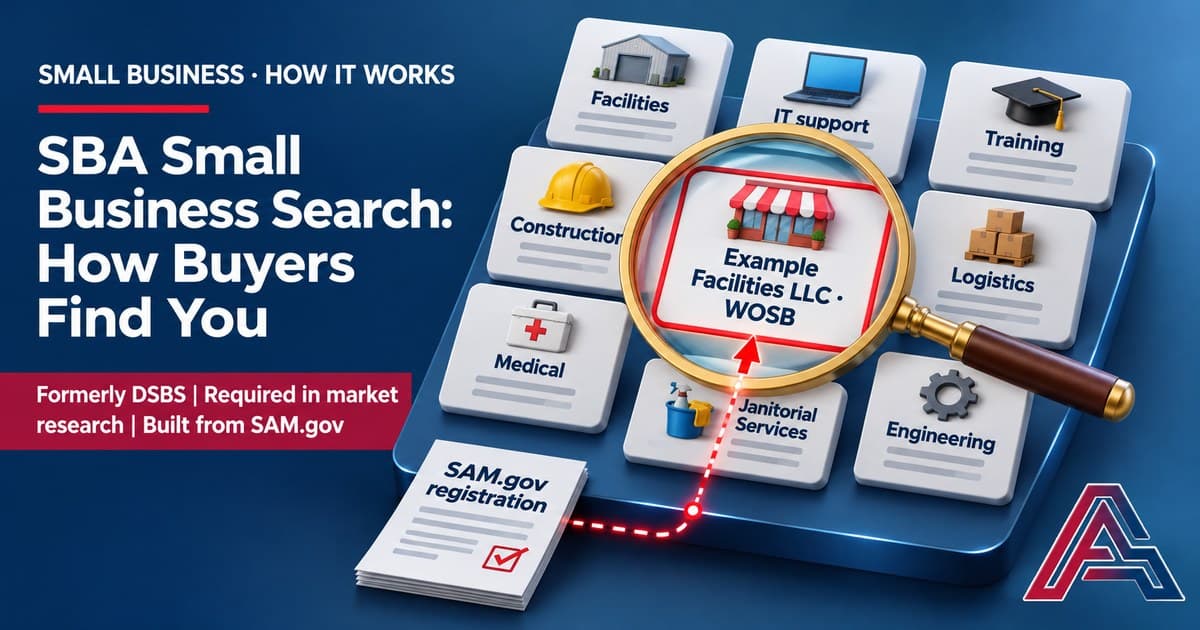
The SBA Small Business Search, formerly DSBS, is the database contracting officers are required to use in market research. Your profile comes from SAM.gov. Here is how buyers find you, and how to be found.

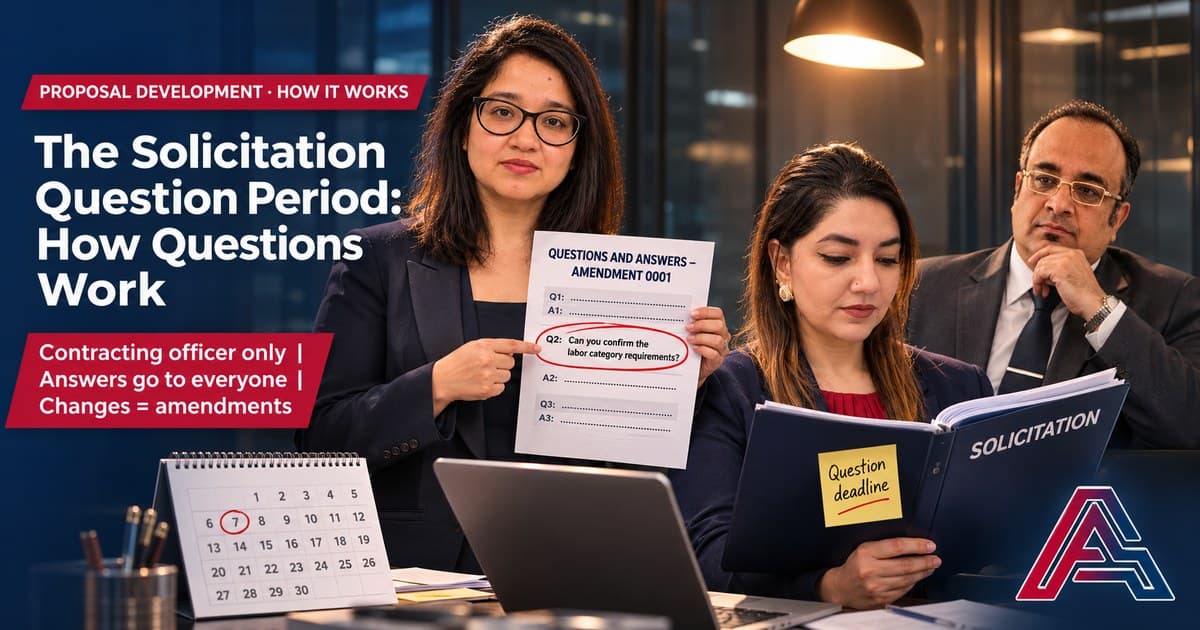
After a solicitation is released, bidders can ask the contracting officer what it means, but every answer goes to every bidder. Here is how the question period works under the FAR, and which questions are worth asking.
8(a) is SBA's flagship small business development program — 9 years of sole-source eligibility, mentor-protege access, and competitive set-asides. Here's the practical step-by-step for applying in 2026.
$100B+ in annual SLED IT spend mirrors federal in size — but the mechanics, certifications, and entry vehicles are entirely different. Here's how federal contractors enter SLED markets without restarting from zero.
DCAA audits cost federal contractors millions in disallowed costs every year. Most of the damage comes from seven recurring compliance gaps. Here's the survival guide.